
David the Mercenary
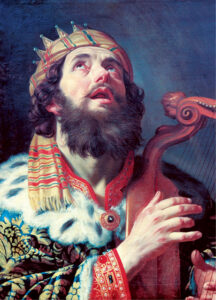
HERITAGE IMAGE PARTNERSHIP LTD / ALAMY
King David is perhaps the most infamous mercenary in the Bible. Early in his career, while fleeing King Saul, David took up service as a mercenary with the Philistines. In exchange for his services, David was granted the town of Ziklag by Gath’s ruler (1 Samuel 27:5–6). During the 16 months of this arrangement, David and his cohort of 600 loyal men from Gath supported themselves by plundering towns along the road between Egypt and Shur; in doing so, they evidently “left neither man nor woman alive” (1 Samuel 27:7–12). With his loyalty seen as unquestionable, David was even appointed as the king’s bodyguard for life (1 Samuel 28:2). (Interestingly, the Hebrew term for “bodyguard” here literally reads the “keeper of my head,” which was certainly apropos for an age when the heads of warlords regularly rolled.) Conveniently, however, David’s services were dismissed prior to his Philistine master’s engagement with Saul, during which Saul and his son Jonathan were killed and decapitated (1 Samuel 29).
Even as king of Israel, David continued to be closely associated with mercenaries, especially the sellswords and foreign warriors who made up his royal bodyguard (2 Samuel 8:16–18). This group, led by Benaiah son of Jehoiada, included “mighty men” who were known for their feats of bravery and renown in combat (2 Samuel 23:8–39). Most hailed from obscure Judahite towns, while others were foreign warriors from Ammon, Phoenicia, and Hatti. What is more, David’s bodyguard included units called the Cherethites and the Pelethites. These were likely classes of warriors whose names originated from their duties. The Hebrew word at the root of Cherethite, for example, means “to cut,” as in “to cut down,” while Pelethite may be related to a Ugaritic word meaning “to save or rescue.” Thus, David’s bodyguard was composed of specialist warriors known as something like the “swordsmen” and “protectors.”