
If Stones Could Speak
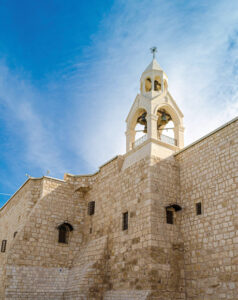
GOKU_PL / ALAMY
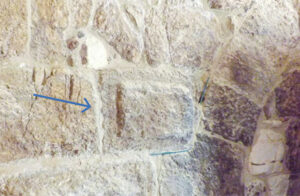
JOAN E. TAYLOR
Embedded in the walls of Bethlehem’s 12th-century Armenian monastery attached to the Church of the Nativity are several large reused stones from the time of the Hasmoneans (late second–early first centuries BCE). The stones are quite distinctive, with a central area (boss) that is rough and a recessed flat frame around the outside. Comparative examples can be found in various places in Jerusalem, most clearly in the Tower of David citadel, near Jaffa Gate. These stones could not have come from everyday houses, but must be from a large palatial or defensive structure. Indeed, given that Hasmonean aqueducts were often protected by fortresses, it is possible that these embossed stone blocks were originally part of a tower or other structure that guarded the Lower Aqueduct. This would mean Bethlehem was a fortified town at the time of Jesus’s birth and much more than a collection of small houses.