
The season of excavation at Tell es-Safi/Gath, the 20th year of this project, has revealed yet more fantastic finds. The most exciting finds from this season are, without a doubt the remains of the massive fortifications of the lower city of Philistine Gath, dating to the 10th-9th cent BCE (the time of David and […]
Sites and Places
Report from Philistine Gath: Fortifications, a Gate and Other Cool Stuff
Sennacherib’s Campaign to Judah: Lachish and Jerusalem
In B.C.E Sennacherib, the king of Assyria, invaded Judah and brought to an end the revolt against Assyria led by Hezekiah, the king of Judah. Sennacherib turned first to Lachish, conquered and destroyed it, and from there he sent an expeditionary force to Jerusalem. Jerusalem was not attacked, and Hezekiah surrendered and became an […]
Jerusalem and the Garden of Eden
Lawrence Stager discusses biblical descriptions of several gardens, including the Garden of Eden. A description in the Book of Ezekiel locates the Garden of Eden close to Jerusalem. Taking his cue from Ezekiel, Stager postulates that the garden in the Valley of Kidron might be Eden. He tests this theory against passages in the Psalms, […]
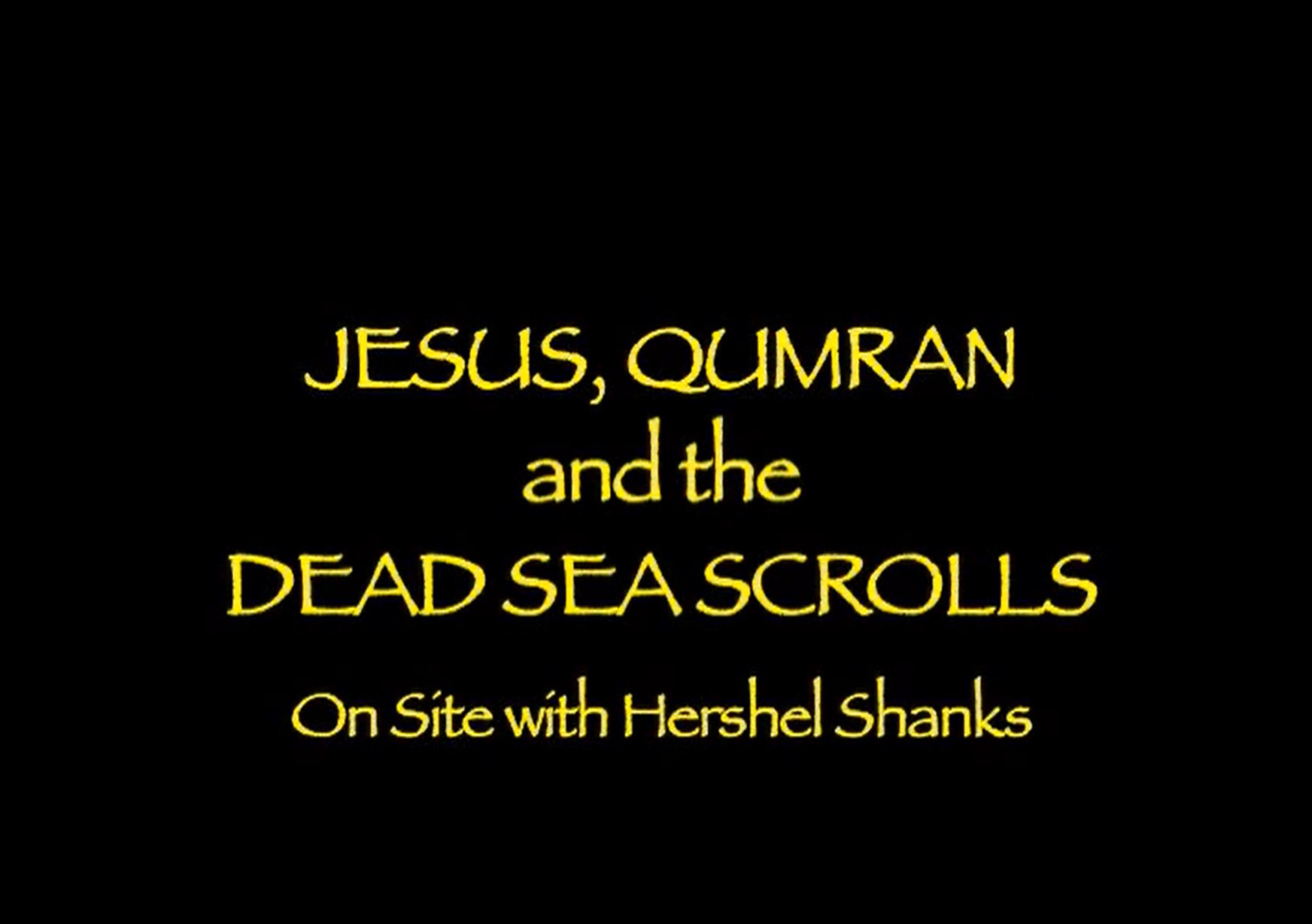
Jesus, Qumran and the Dead Sea Scrolls
The Dead Sea Scrolls may be the most important Biblical discovery of the last hundred years. These documents, probably written by the Essene Jews, have startling similarities to many ideas of the New Testament. Come with Hershel Shanks and the Biblical Archaeology Society to explore the site where the famous Dead Sea Scrolls were discovered, […]
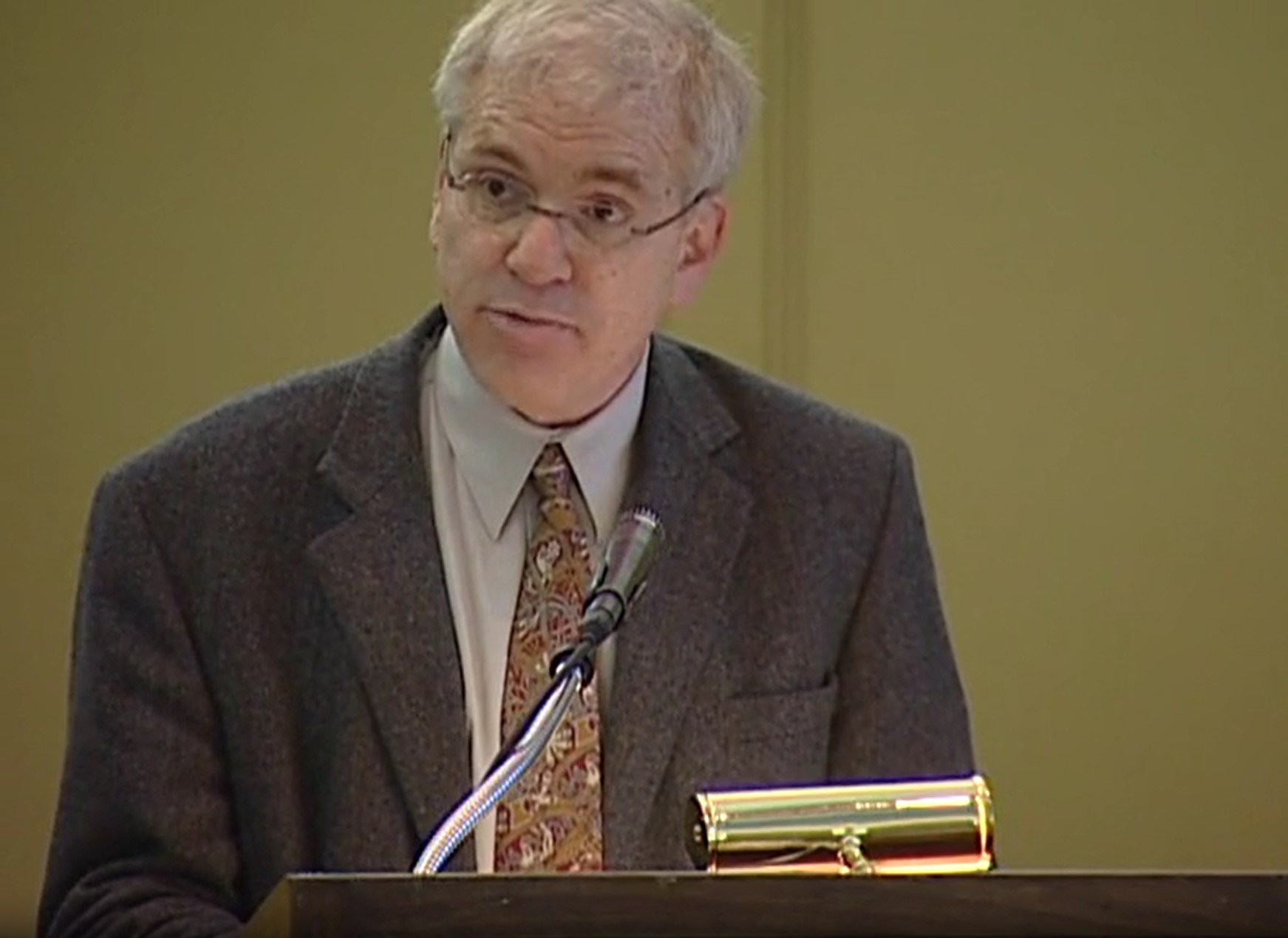
Refuge in the Cave of Letters: A Report from the John P. and Carol Merrill Expedition to the Cave of Letters
When Jewish warriors against Rome found refuge in the Judean Wilderness hideout, they brought their families, weapons and valuables—perhaps Temple treasures as well. This was part of the Just Dug Up DVD.
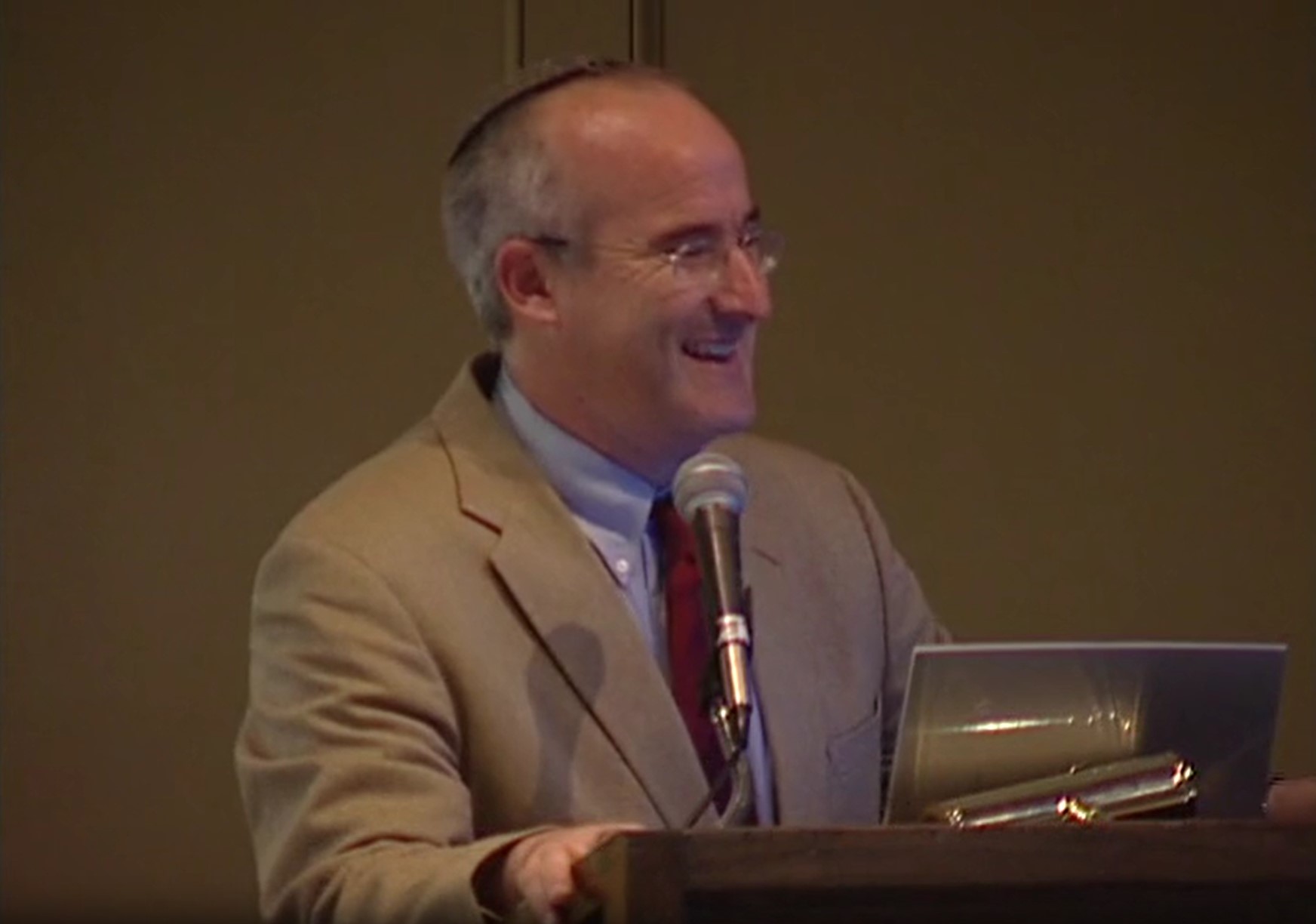
What’s New in Our Search for Goliath? The Recent Excavations at Tell es-Safi—Biblical Gath of the Philistines
Archaeologists are uncovering the hometown of the Biblical giant and in the process are finding more evidence that the Philistines had a great culture—and were anything but philistine. This was part of the Jug Dug Up DVD.
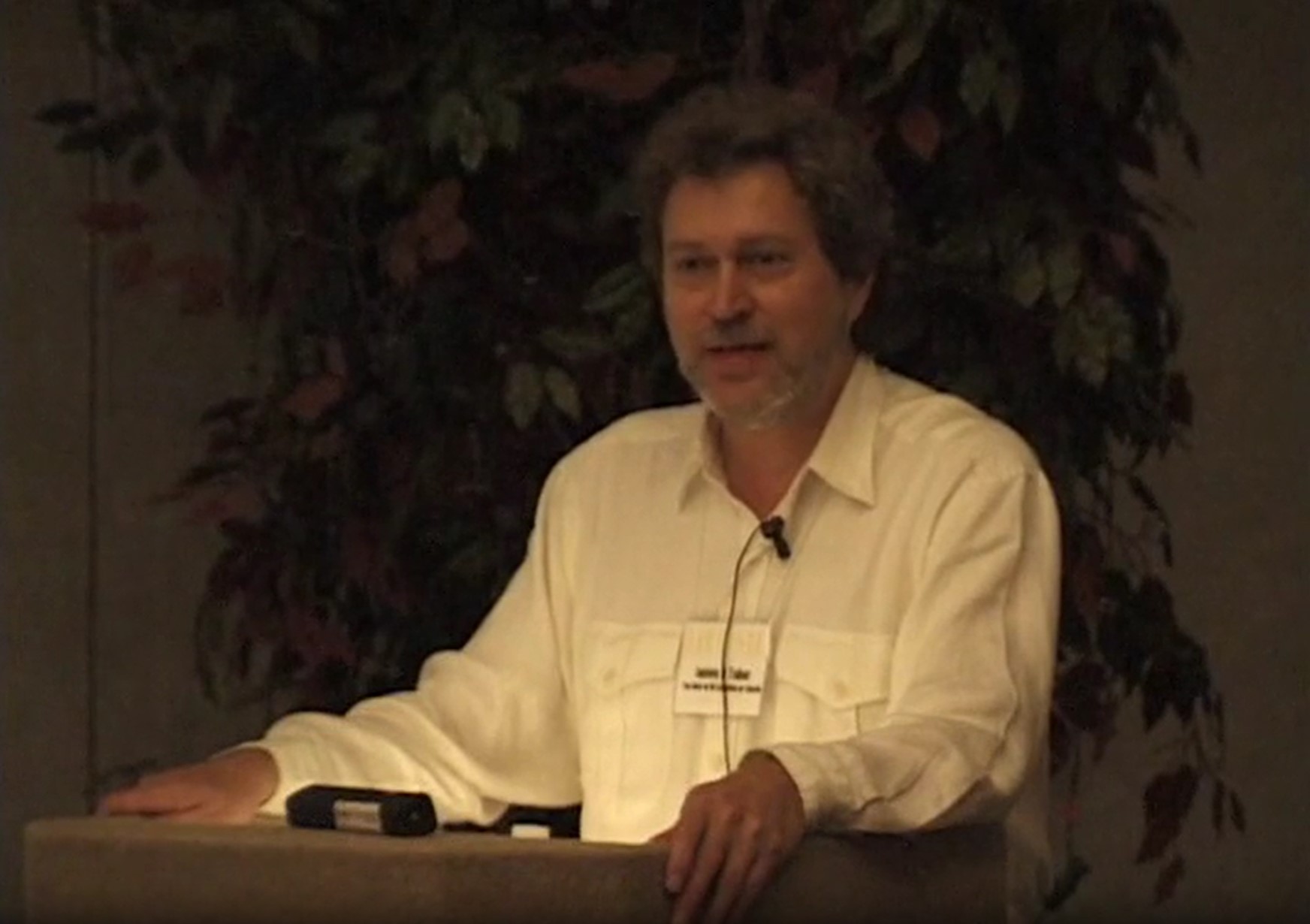
A Jesus Hideout in Jordan?: Mapping Ancient Textual Traditions
James Tabor combines clues from the Gospel of John, the story of Elijah, the Dead Sea Scrolls and other historical writings that point to the location of a Jesus hideout east of Jordan, near Calim. He demonstrates how the combination of archaeology, historical documents such as the Dead Sea Scrolls, and the bible texts produces […]
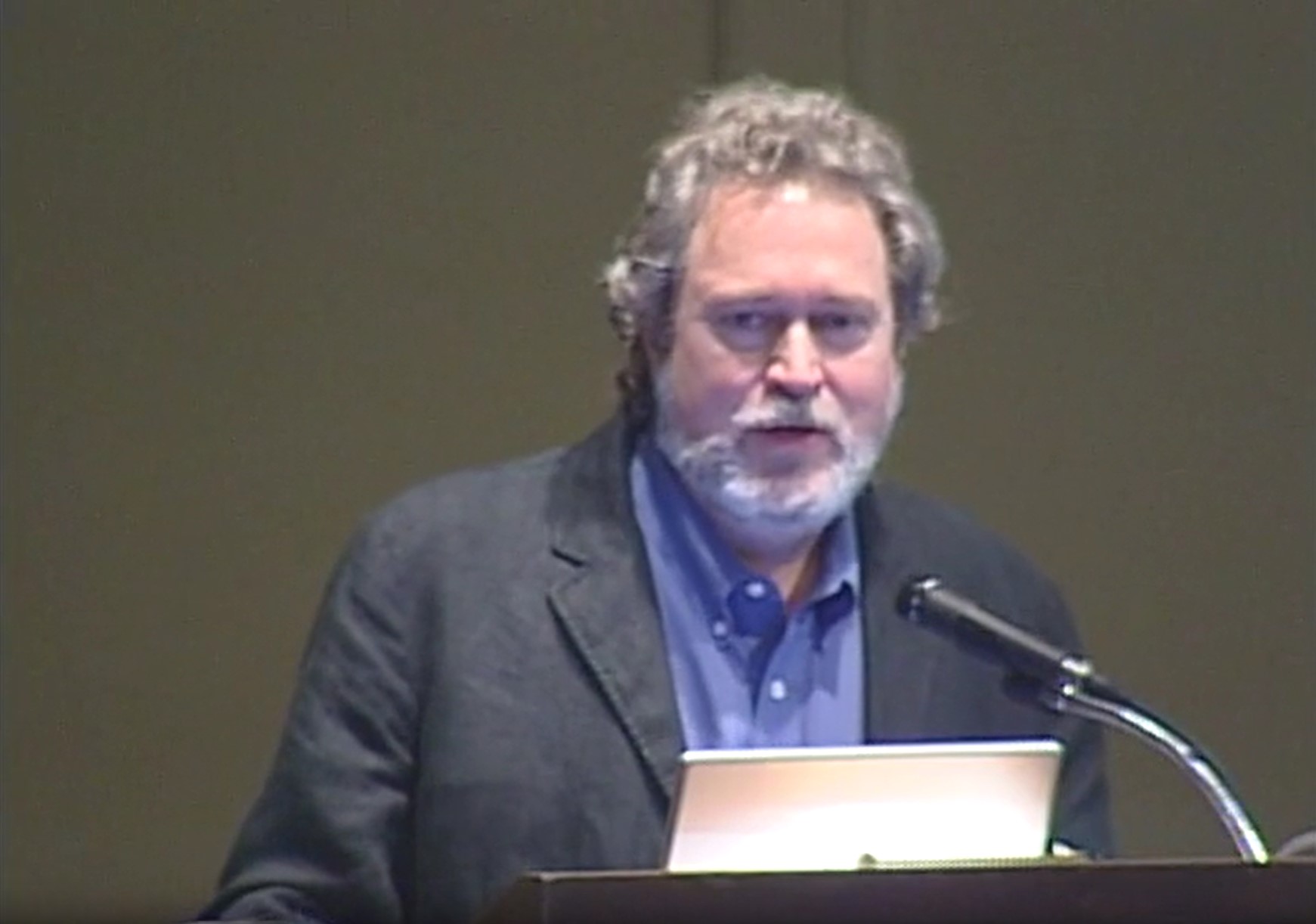
The “John the Baptist Cave” at Suba: What are the Facts?
Did this cave west of Jerusalem serve as a site for baptisms and other rituals performed by John and his followers? The co-excavator lays out the evidence for why he thinks they did, including an ancient portrait on the cave wall that may depict John the Baptist himself. This was part of the Just Dug […]
In the Footsteps of Paul in Asia Minor: Are There Still Roman Roads Left to Follow?
By
Mark Wilson
Many visitors travel to Asia Minor each year to tour in the “Footsteps of Paul.” While they may see many cities in which Paul ministered, most never see any ancient roads upon which Paul would have walked. Instead they are able to travel along Turkey’s highways in air-conditioned buses and stay each night in comfortable […]
Fleshing Out the Bible at Philistine Gath
The ongoing excavations at Tell es-Safi/Gath, which is Biblical Gath of the Philistines, home of Achish and Goliath and one of the largest sites in Israel, have yielded a wide variety of rich and—at times surprising—finds. Of much significance are the many finds from the excavations that have a direct and clear connection with the […]
Why do we need a fourth expedition to Lachish?
Lachish, located in the Judean foothills, was the second largest city in the Biblical kingdom of Judah, after Jerusalem. It has already been excavated by three different expeditions, but could there still be answers in the ground waiting? In this lecture, Yosef Garfinkel discusses the finds at Lachish and why there should be a fourth […]
From Temple Site to Monastery: The Omrit Settlement Excavations
Recent excavations at Omrit in northern Galilee have revealed more details about the Roman period sanctuary complex. The temple foundations are very-well preserved and many of the original architectural features are still on the site. Join lecturer Dan Schowalter as he discusses the history of the site and some of fascinating finds. This was part […]

Twenty-Five Years of Excavations at Bethsaida: How Bethsaida Has Helped Shape Biblical Research
By
Rami Arav
This 1 marked the 25th year of excavations at Bethsaida, an ancient town on the northern shore of the Sea of Galilee that is the third most frequently mentioned in the New Testament. Over the years, the discoveries made at Bethsaida have helped to inform our modern understanding of Jesus’s world, as well as shape […]
Studying Stones and Scripture: Archaeology, Judaism and Christian Origins
By
Aaron Gale
The study of world religions continues to fascinate both student and scholar alike. There are many different methodologies (historical, phenomenological, sociological, etc.) that may be utilized in the exploration of world cultures and traditions. These methodologies have become especially important in the realm of biblical studies, which can help to shed light on the complex […]

Who’s Buried in Philip’s Tomb?
By
Mark Wilson
Questions and controversy continue to swirl around the discovery of Philip’s tomb in Hierapolis, Turkey. Was this Philip the evangelist or Philip the apostle? Why didn’t the magnificent martyrium built for Philip in the fifth century and excavated in recent years contain his tomb? And what evidence led project director Francesco D’Andria and his Italian […]
Mari and the Bible
Archaeological excavations in the Middle Euphrates Valley over the last 80 years have expanded remarkably our understanding of the history of Mesopotamia, Syria, and Palestine. That history was the setting for the Biblical cultures of the time from Abraham to Philo Judaeus, Jesus, and Flavius Josephus. The discovery of Mari with its extensive cunieform library […]
Is Mt. Ebal Deuteronomy’s ’Place of the Name’?
A vexing irony inhabits the Book of Deuteronomy. On the one hand, the book makes exclusive worship at a single site chosen by Yahweh the defining criterion of community faithfulness. On the other hand, the book fails to tell the reader where that sanctuary actually is. Over the generations, the quest to resolve this conundrum […]
Excavating Mt. Zion: Past, Present and Future
As codirector of “Dig Mt. Zion,” the first archaeological excavation project to be allowed just outside the southern Old City wall in 30 years, Professor James D. Tabor offers a glimpse of this prime property of ancient Jerusalem. Learn the history of traditional Mt. Zion, the higher hill west of the ancient City of David. […]

Where Jesus Walked
In this film from the Biblical Archaeology Society, Hershel Shanks visits Nazareth, Galilee, Capernaum, Bethsaida, Qumran, Sepphoris and Jerusalem to view sites where Jesus walked. Along the way, Shanks meets with the world’s most prominent archaeologists and Biblical scholars to discuss the archaeological discoveries that link these sites to Jesus. Their lively, in-depth conversations offer […]
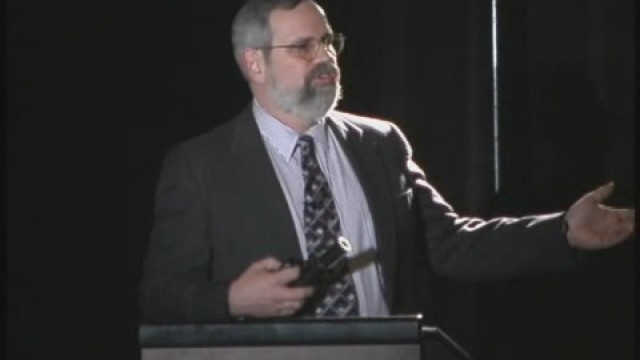
Recent Explorations in the Sinai: Implications for the Hebrew Exodus from Egypt
The Israelite exodus from Egypt is clearly the most important event in the Hebrew Bible, and yet there is presently no direct archaeological evidence to support the tradition, causing some scholars to question whether it was a historical event. Archaeology, however, can provide important background material that enables the events of the book of Exodus […]
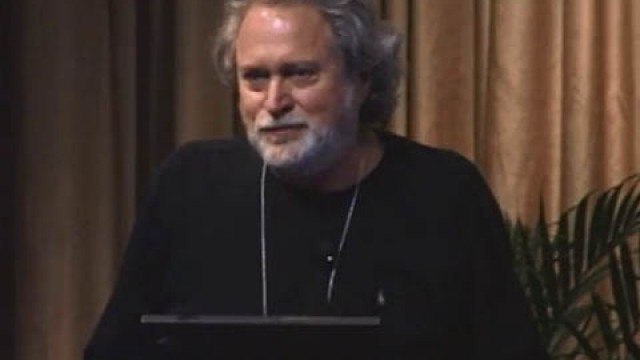
The Talpiot “Jesus” Tomb: What’s the Latest?
Since the public controversy over the Talpiot “Jesus” family tomb broke in 2007, much has happened behind the scenes. This presentation brings things up to date, examines what we know for certain about who may have been buried in the Talpiot tomb, and how new evidence is helping to separate mere speculation from solid historical […]
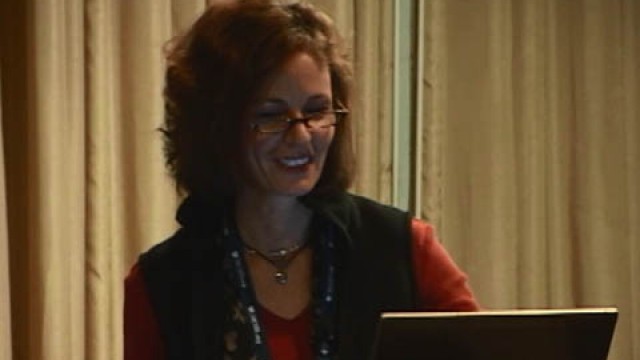
Could Mt. Ebal Be Deuteronomy’s “Place of the Name”?
A vexing irony inhabits the Book of Deuteronomy. On the one hand, the book makes exclusive worship at a single site chosen by Israel’s God Yahweh the defining criterion of community faithfulness. On the other hand, the book fails to identify the sanctuary’s location. The quest to resolve this conundrum has directed scholarly attention to […]